Understanding the Mechanics of Furnace Maintenance
Key Components of a Furnace System:
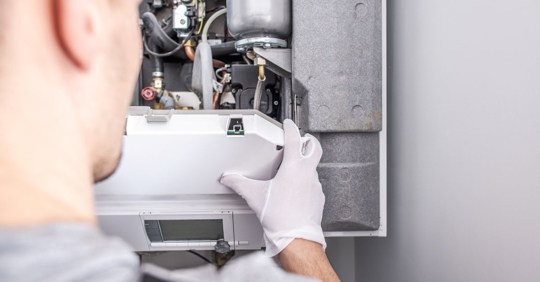
Furnaces are complex machines with several vital components working together to heat your home effectively. Among these, the burners serve the critical function of igniting the fuel, which is indispensable for creating the heat that warms your spaces during the cold months. Heat exchangers, on the other hand, are responsible for transferring this heat from the burning fuel to the air that circulates throughout your home. Without efficient heat exchangers, even the best burners would fall short, as the heat generated would not effectively reach your living spaces. Furthermore, blowers play an essential role in this intricate system as they distribute the heated air throughout your ductwork, ensuring consistent temperatures in every room. Each of these components must be in optimal condition to ensure the furnace performs at its best, which underscores the importance of regular maintenance.
Common Issues Addressed by Regular Maintenance:
Routine maintenance of your furnace can prevent a host of issues that might otherwise disrupt your home’s cozy atmosphere. Air filter obstructions, for instance, are a common culprit of inefficiency and can cause decreased airflow, leading not only to uneven heating but also to an overworked furnace system. Such blockages can easily be avoided by regular filter checks and changes. Moreover, electrical component failures can halt a furnace’s operation altogether, stemming from worn-out parts or connections that lose their integrity over time. Another frequent issue is thermostat malfunctions—imagine your furnace working overtime due to a misreading sensor! These problems highlight why routine check-ups are indispensable. Spotting potential issues early means they can be rectified before escalating into more serious, costly repairs.
Energy Efficiency and Performance Enhancement:
By investing in regular furnace maintenance, you can markedly enhance the energy efficiency of your heating system. A well-maintained furnace operates more efficiently, consuming less energy to deliver the same level of heat, which is a boon for reducing your utility bills. Maintenance tasks, such as calibrating the thermostat and cleaning components, ensure that your system runs at peak efficiency, using only the necessary amount of energy needed to heat your home. This not only conserves energy but also translates to a significantly lower carbon footprint for environmentally conscious homeowners. Beyond energy savings, regular maintenance assures consistent heating performance. By keeping all parts of the furnace in top shape, homeowners ensure a reliable heating source that keeps their environment comfortably warm without unexpected interruptions.
Benefits of Consistent Furnace Maintenance
Extended Lifespan of Equipment:
Regular maintenance goes a long way in prolonging the life of your furnace. Think of it as giving your furnace the longevity boost it needs to keep serving your home for years to come. Routine inspections and tune-ups by qualified professionals not only address current issues but also anticipate future ones, keeping your equipment chugging along efficiently and effectively. When components are regularly cleaned, tightened, and occasionally replaced, the entire system faces less wear and tear, which in turn delays the need for costly replacements. By adhering to a robust maintenance schedule, you're essentially providing your furnace the best chance at long-term functionality, saving you from the hefty expense of premature replacement.
Improved Air Quality:
Beyond just warmth, a well-maintained furnace also contributes to improved indoor air quality—a crucial factor for a healthy living environment. Clean air filters are fundamental here, as they trap dust, allergens, and other airborne pollutants more efficiently when well-maintained. This reduces the number of contaminants circulating in your home’s air, leading to fresher and healthier indoor air. For families with members prone to allergies or respiratory conditions, this can make a significant positive difference. Furnace maintenance ensures that the entire system runs smoothly, with minimal emissions and lessened chances of dust entering the airflow, fostering a much cleaner and healthier home atmosphere.
Safety Considerations:
Maintaining your furnace goes beyond comfort and cost savings—it’s essential for ensuring the safety of your household. One of the most critical safety considerations concerns the risk of carbon monoxide leaks, which can occur if your system is not regularly inspected. This odorless, colorless gas can be extremely dangerous, and regular maintenance checks can identify and correct any issues with the heat exchanger or venting systems to prevent leaks. Furthermore, faulty electrical components or connections can pose fire hazards if not promptly addressed. Routine professional maintenance minimizes these risks, offering you peace of mind that your heating system is operating safely for you and your family.
Establishing a Regular Maintenance Schedule
Frequency of Maintenance Checks:
A regular maintenance schedule is key to keeping your furnace in excellent condition. The general guideline is to have your furnace serviced at least once a year, ideally in the fall, right before the cold weather sets in. This ensures that everything is working as it should be before you really need to rely on it. However, if your system is older or if it has been experiencing issues, more frequent checks may be appropriate. Remember, it’s far better to conduct a preventative service before peak demand hits than to find yourself without heat in the midst of winter. By aligning maintenance with seasonal needs, you guard against mid-season breakdowns, ensuring a cozy, uninterrupted warmth throughout the colder months.
DIY Maintenance vs. Professional Servicing:
While there are some maintenance tasks homeowners can perform, such as changing air filters and keeping the area around the furnace clean and free of debris, professional servicing is invaluable. Trained HVAC technicians can perform thorough system checks, calibrate sensitive equipment, and replace components when necessary, offering expertise that goes far beyond basic maintenance. Understanding system complexities and potential issues that aren't visible to the untrained eye is crucial for optimal performance and safety. Therefore, while DIY efforts can support system health, they cannot substitute the professional knowledge and skills required to ensure a furnace’s long-term efficiency and safety.
Signs It’s Time for Maintenance:
To avoid unpleasant surprises, be attentive to warning signs that your furnace needs maintenance. Unusual noises, such as clanking or wheezing, can indicate component issues. Likewise, uneven heating across your home often points to problems with airflow or malfunctioning parts. If you notice your energy bills creeping upwards without a corresponding change in usage, your furnace might be working inefficiently and in need of a check-up. These signs should never be ignored, as delaying maintenance can lead to more significant issues and potentially more expensive repairs. Recognizing these symptoms early ensures timely intervention and efficient furnace operation throughout the year.
Cost Implications of Neglecting Furnace Maintenance
Immediate and Long-Term Costs:
Neglecting furnace maintenance can result in both immediate and long-term financial consequences that go unnoticed until they demand attention. At first, procrastination might seem harmless; however, small inefficiencies build up, potentially leading to minor repairs that quickly add up to significant costs. More seriously, neglect may culminate in major component failures that require costly emergency repairs or even complete system replacements—a blow to any household budget. In the long run, the increased energy consumption from an inefficient system further compounds expenses, as a struggling furnace uses more gas or electricity to maintain comfortable temperatures. Investing in regular maintenance offers a cost-effective strategy for avoiding these unexpected financial burdens.
Impact on Home Value and Insurance:
The condition of your HVAC system can have broader implications than just residential comfort. Homes with well-maintained HVAC systems often yield higher appraisal values due to the assurance of reduced future repairs and a robust, functioning heating system. Furthermore, insurers may offer lower premiums on homes with documented regular maintenance, as this reflects a reduced risk of system failures and related incidents, such as fires or leaks. Thus, maintaining your furnace doesn’t just preserve its integrity; it also enhances your home’s value and can financially benefit you by potentially lowering insurance costs.
Warranties and Preventive Care:
Many furnace warranties stipulate regular maintenance as a requirement to remain in effect. Without adhering to these stipulations, you risk voiding warranties and losing financial protection against manufacturing defects or premature failures. Regular maintenance acts as a safeguard, ensuring you remain eligible for warranty claims if needed. This preventative care is an investment in peace of mind and financial security, knowing that you are covered should unexpected issues arise. By following a consistent maintenance schedule, you not only preserve your system’s warranty but also proactively mitigate potential issues before they escalate.
Choosing the Right HVAC Professional
Qualities of a Reputable Technician:
Finding the right technician is integral to ensuring effective furnace maintenance and repair. A reputable HVAC professional should hold proper certifications and licenses, reflecting their in-depth understanding of heating systems and commitment to industry standards. Experience is equally crucial; technicians who have honed their skills over the years are more adept at diagnosing and resolving issues efficiently. Beyond technical skills, exemplary customer service distinguishes top-tier technicians. Friendly, approachable professionals who clearly communicate diagnostic results and maintenance needs foster a relationship of trust and transparency with clients, ensuring a much smoother service process.
Comparing Maintenance Plans:
When it comes to selecting maintenance plans, not all are created equal, and understanding what each plan offers is important. Some plans might provide basic annual inspections and tune-ups, while others include comprehensive services with emergency call-outs and parts discounts. Assessing your household’s specific needs and your furnace system’s demands will guide you toward the most suitable plan. Consider factors such as equipment age, usage frequency, and your home’s size. A well-chosen maintenance plan tailored to your needs can save a great deal of hassle and money in the long run, ensuring peace of mind and reliable heating.
Customer Reviews and Referrals:
Tapping into the wealth of information from online reviews and personal referrals can be immensely beneficial when selecting an HVAC service provider. Reviews provide a window into other customers’ experiences, illustrating a company’s strengths and weaknesses. Personal referrals from friends or family bring further assurance, given their first-hand positive experiences, making them a reliable guide in your decision-making process. Reviews and referrals help you gauge the quality of the service, instilling confidence in choosing professionals who will effectively meet your furnace maintenance needs.
To Keep Your Furnace In Top Shape This Winter, Call Sturm:
Regular maintenance is indispensable to ensure your furnace is running efficiently and safely. At Sturm, we offer professional furnace maintenance tailored to your needs. Don’t wait for small issues to become costly repairs—contact us today to schedule your furnace maintenance and enjoy peace of mind through every season.
Call Sturm now at (509) 790-3987 or reach out to us online.