How Tankless Water Heaters Work
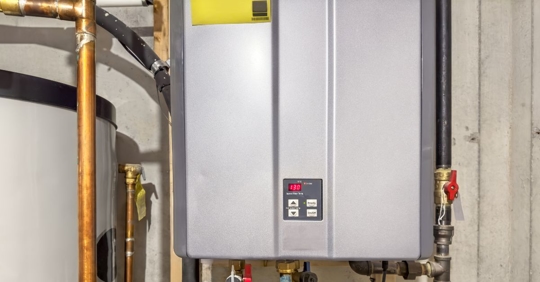
Tankless water heaters, also known as on-demand water heaters, provide an innovative twist to traditional heating methods. Unlike conventional heaters, which maintain a reservoir of hot water, tankless systems heat the water directly as it flows through the unit. This immediate heating mechanism means water is heated only when needed, which can result in significant energy savings. There are two primary types of tankless systems: gas and electric. Gas models employ burners to heat the water, making them powerful enough for homes with higher demand, although they require proper venting. On the other hand, electric models use heating elements, and while they are generally easier to install and maintain, they might need electrical upgrades to handle their power requirements. With the variety of options available, it's clear that understanding the mechanics can help homeowners decide which system best fits their requirements.
Installation Requirements
When considering the installation of a tankless water heater, you must be prepared to navigate several specific requirements and potential challenges. First among these is venting—gas units need a vent to expel exhaust gases outside the home safely. This can necessitate drilling through walls or roofs, adding to installation complexity and cost. Additionally, electric models might require significant electrical upgrades to accommodate the increased power load, possibly demanding new wiring or panel adjustments. Another factor is the water quality in your home since hard water can affect performance, necessitating additional filtration or maintenance. It's essential to address these components during the planning phase to ensure a smooth installation process. Homeowners might find it beneficial to consult professionals like those at Sturm Heating, Inc. in Spokane, WA, to navigate these requirements efficiently.
Common Brands and Models Available
Navigating the market for tankless water heaters can be overwhelming due to the plethora of brands and models available. Popular brands like Rinnai, Rheem, and Takagi are known for their reliability, efficiency, and customer satisfaction. Each brand offers a range of models catering to various household sizes and energy needs. For instance, Rinnai is known for its high-performance gas models with sophisticated control systems, while Rheem delivers a versatile selection of electric units praised for their energy efficiency. Takagi, meanwhile, offers robust commercial-grade models suitable for larger applications. Beyond brand reliability and features, considering user reviews is crucial—they offer insights into actual performance, durability, and any challenges customers face. By arming yourself with this information, you can make an informed choice that best aligns with your home's hot water demands and budget.
Energy Efficiency Benefits
One of the foremost advantages of tankless water heaters is their unrivaled energy efficiency. Unlike traditional models that continually heat a full tank of water, tankless units activate only when there's a demand for hot water, significantly reducing energy usage. This operational efficiency often reflects in lower utility bills, a persuasive selling point for many homeowners. Traditional tank heaters can lose heat through standby, known as standby heat loss, but tankless models eliminate this inefficiency, making them more environmentally conscious options. For homeowners in Spokane, WA, seeking to decrease energy consumption, embracing tankless technology is an astute long-term investment. Not only do they offer immediate cost benefits, but they also contribute to a greener footprint, aligning with increasingly widespread sustainability goals.
Space-Saving Design
Tankless water heaters truly shine when it comes to size and flexibility, making them an optimal choice for residences with limited space. Their compact design means they can be installed in far more locations than their bulky tank counterparts, from closets and crawl spaces to even exterior walls, freeing up valuable space for other uses. This saves not only potential living space but also contributes to a more organized and decluttered environment. For urban dwellers or owners of smaller suburban homes, this can be a compelling factor. In addition, their lightweight construction allows for quick and straightforward installation, reducing labor costs and time. Embracing a tankless model means no longer having to compromise between utility and living space, making it a practical solution for homeowners prioritizing efficiency and aesthetics.
Unlimited Hot Water Supply
Arguably, one of the most compelling conveniences of tankless water heaters is their ability to provide unlimited hot water. Traditional tank heaters can run out of hot water after prolonged usage, leaving you shivering in the shower. However, tankless models heat water on demand, so you'll never face the frustration of a cold shower again. This endless supply is particularly advantageous for larger families or homes with multiple bathrooms, where simultaneous hot water use is common. From morning routines to evening wash-ups, tankless systems ensure a consistent delivery that adapts to varying household needs. By investing in a tankless water heater, Spokane residents can enjoy uninterrupted comfort and convenience, a salient feature that promotes both domestic harmony and everyday luxury.
Higher Initial Costs
While the benefits are numerous, one of the primary barriers for many considering tankless water heaters is the initial cost. These systems tend to have a higher upfront price than traditional water heaters, primarily due to their advanced technology and efficiency-enhancing features. Purchasing a tankless model can be a significant financial commitment, and when paired with installation costs, the expenses can escalate further. Retrofitting an existing home to accommodate a tankless system can add to the price, especially if significant modifications like venting or electrical upgrades are required. However, it's crucial to consider this expenditure as a long-term investment. While the initial costs can be substantial, the savings on energy bills and the extended lifespan of tankless units can offset these expenses over time, presenting a worthwhile investment for the future.
Complex Installation Process
Installing a tankless water heater is often more complex than setting up a conventional tank system. This complexity stems from various factors, such as the need for appropriate venting, electrical upgrades, or pipe adjustments to support the new configuration. The process can be intricate, demanding specialized knowledge and skills to ensure it complies with safety standards and operates efficiently. Some installations may also require structural modifications, adding additional layers of cost and complexity. For these reasons, professional installation is generally recommended, ensuring the system functions correctly and safely from day one. In Spokane, turning to local experts like those at Sturm Heating, Inc. can simplify this process, providing confidence in knowing that experienced professionals are handling the intricacies of installation.
Performance Limitations
Despite their many advantages, tankless water heaters aren't without performance limitations. A notable issue can arise in large households that require multiple outlets for hot water simultaneously. With high hot water demand, tankless systems may struggle to maintain a consistent flow, leading to fluctuations in water temperature or pressure, particularly in older, less powerful models. Certain electric models might also experience performance challenges in regions with exceptionally cold groundwater, where the unit must work harder to achieve the desired warmth. While advancements in technology continually improve performance, it's important to assess whether a tankless system can realistically meet your household's hot water demands. Consulting with professionals to determine the best-sized unit can mitigate these concerns and enhance overall satisfaction and system efficacy.
Regular Maintenance Needs
Just like any other home appliance, tankless water heaters require regular maintenance to ensure their optimal performance and longevity. While they lack a tank that could potentially corrode over time, they still need routine maintenance like descaling and flushing to prevent mineral buildup. Hard water, which is common in many regions, can lead to limescale deposits that impair efficiency and lead to costly repairs if not addressed in a timely manner. Therefore, scheduling annual maintenance from certified technicians, such as those at Sturm Heating, Inc., can help keep your system running smoothly. These services often include comprehensive checks and cleaning processes that prevent buildup and ensure you continue to enjoy reliable hot water service without unexpected interruptions.
Expected Lifespan Compared to Traditional Heaters
One of the compelling selling points of tankless water heaters is their impressive lifespan, which can often double that of traditional tank models. With proper maintenance, a well-cared-for tankless system can last over two decades, compared to the typical 10 to 15 years for tanked variations. However, longevity can be influenced by several factors, including water quality, installation quality, and usage habits. Regular maintenance and timely repairs can extend the life of your tankless water heater, offering peace of mind and stable asset value over time. Moreover, the longer lifespan translates to less frequent replacements, meaning fewer disruptions and savings on future installation costs, optimizing not only the unit's performance but also its value for money.
Warranty and Customer Support
The purchase and ownership of a tankless water heater also come with considerations regarding warranty and customer support, which vary significantly across brands. Typically, tankless water heaters offer longer warranties than tank-style systems, reflecting their durable and reliable nature. A robust warranty can add value by providing peace of mind and potentially saving on repair costs over the unit's lifetime. Customer support, however, is equally crucial; poor support can lead to delays in servicing and frustration if issues arise. Comparing warranties and customer service reviews can guide consumers toward brands that not only produce high-quality products but also stand behind their offerings. For Spokane residents considering this upgrade, consulting with local experts like Sturm Heating, Inc. ensures both personal support and tailored solutions for your specific needs.
Assessing Your Home's Hot Water Needs
Deciding whether a tankless water heater is an ideal fit for your home begins with evaluating your household's hot water needs. Considerations like family size, the number of bathrooms, and simultaneous usage patterns play critical roles. Homes with high demands or frequent simultaneous usage might need more robust units or multiple systems to meet their requirements. Conversely, smaller households or those with predictable patterns could benefit from a single system, optimizing efficiency without surplus. Evaluating these factors allows homeowners to realistically assess the capability of a tankless water heater in their environment. For tailored advice specific to your situation in Spokane, consultations with local professionals can offer invaluable insights, aligning technical specifications with your daily lifestyle needs.
Evaluating Long-Term Cost Efficiency
While tankless water heaters require a steeper initial investment, their long-term cost efficiency often highlights them as the smarter economic choice. Reduced energy usage results in lower monthly bills, recouping expenses over the years. Additionally, their prolonged lifespan means fewer replacements, ultimately saving costs on new units and installations. Furthermore, well-maintained systems can function optimally throughout their extended lifecycle, enhancing value for money. When considering a shift to tankless, balance the upfront expenses against potential savings and performance benefits over time. For Spokane residents contemplating this change, working with knowledgeable professionals like those at Sturm Heating, Inc. can further elucidate the economic advantages tailored to individual financial and functional objectives.
Environmental Impact Considerations
A tankless water heater is not just a practical choice but also represents a more environmentally conscious decision. By significantly reducing standby energy losses and operating only when needed, these systems can lower your home's overall energy consumption and carbon footprint. For those in Spokane committed to eco-friendly choices, the transition to a tankless water heating system can align seamlessly with sustainability goals. Not only does this enhance personal eco-friendly practices, but it also adds value to your home, appealing to environmentally conscious buyers in the future. Considering the combination of performance, cost savings, and environmental benefits makes these units a wise choice for progressive homeowners.
If You're Interested In Tankless Water Heaters, Reach Out to Sturm
If you're considering upgrading your water heater, it's crucial to have the support of professionals who understand local requirements and can deliver optimal solutions. Sturm is your partner for efficient and effective tankless water heater installations and maintenance. Contact us today for expert guidance tailored to meet your home's specific needs and start enjoying unlimited hot water with the peace of mind knowing you're making a sound investment in comfort and sustainability.
Call Sturm now at (509) 215-9429 or contact us online.