
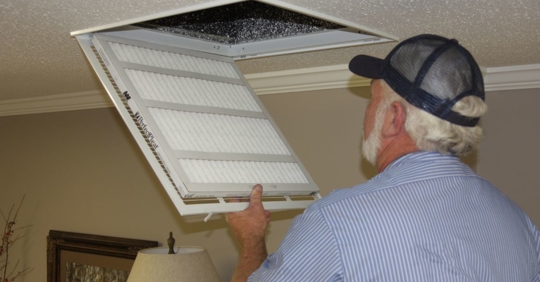
As the chill of winter starts to fade and the first buds of spring begin to bloom, it's time to turn your attention to your home's HVAC system. One of the simplest yet most effective maintenance tasks you can do is to change your HVAC filters before the heavier use that comes with warmer weather. Not only does this ensure better air quality inside your home, but it also boosts system efficiency and extends the life of your unit. Here's why it's essential and what you need to know.
Role of HVAC Filters in Indoor Air Quality
HVAC filters might seem like a minor detail in the grand scheme of home maintenance, but they play a crucial role in maintaining healthy indoor air quality. These filters are designed to trap dust, pollen, dander, and other airborne pollutants that can aggravate allergies and respiratory conditions. This is particularly important for individuals who suffer from asthma and other respiratory ailments, as a high-quality filter can make a significant difference in their daily comfort. Clean filters not only protect your HVAC system from dust and debris but also ensure that the air circulating in your home is as clean as possible, providing a safer environment for your family.
Extension of HVAC System Longevity
Changing HVAC filters regularly isn't just about health benefits; it's also about extending the lifespan of your system. Clogged filters force the HVAC unit to work harder to push air through, leading to increased strain and potential breakdowns. This is particularly critical in Spokane, WA, where the temperature can fluctuate significantly, requiring your system to adjust frequently. By replacing the filters in the spring, you prepare your system for the heightened demand of the summer months, maintaining efficiency and avoiding unnecessary wear and tear. This simple step can prevent costly repairs and prolong the life of your HVAC unit, saving you money and ensuring reliable performance over the years.
Why Spring and Fall Are Key Seasons
Timing is everything when it comes to maintaining your HVAC system, and spring and fall are the optimal seasons for filter replacement. These transitional periods correspond with changes in your system's usage patterns, making them ideal for freshening up your filters. During the fall, you prepare the system for the demands of winter heating, and in spring, you give it a head start before summer cooling begins. As seasons change, so does air quality – pollen levels rise in spring, and households kick up more dust in the fall, both of which contribute to increased filter load.
Impact of Pollination Season on HVAC Filters
Spring is especially significant for filter changes due to the onset of pollination season. As trees, flowers, and grasses release pollen into the air, indoor filters work overtime to prevent these allergens from circulating through your home. This is crucial for households with allergy sufferers, as a fresh filter can be the first line of defense against sneezing, coughing, and itchy eyes. By coinciding your filter replacement with the beginning of spring, you ensure that your HVAC system is ready to handle the additional burden, keeping your indoor environment as clean and breathable as possible.
Understanding MERV Ratings
Selecting the right filter for your HVAC system can be simplified by understanding the Minimum Efficiency Reporting Value, or MERV rating. This value measures a filter's ability to capture particles of varying sizes. For instance, a higher MERV rating indicates a filter can capture smaller particles more effectively, providing superior home air quality. However, it's essential to match the MERV rating to your system's specifications, as using a filter with a rating that's too high may restrict airflow and reduce efficiency. This is a crucial consideration for Spokane, WA residents who need to balance air cleanliness with system efficiency.
Comparison of Filter Types
There are a variety of filter types available, each suited to different needs and budget constraints. Disposable fiberglass filters are inexpensive and come with the lowest MERV ratings, capturing only large particles. Pleated filters offer a step up in filtration capacity, while electrostatic filters provide an even higher level of performance, making them suitable for those concerned with allergens. Each filter type presents benefits and trade-offs, so understanding these options allows you to choose a filter that meets your home's specific air quality needs and system requirements.
Increased Health Risks
Neglecting to change your HVAC filters can have serious health consequences, as poor air quality exacerbates respiratory issues and allergies. When filters become clogged, they can no longer effectively trap indoor pollutants, leading to higher concentrations of allergens like dust mites, pollen, and pet dander in your home. Studies have shown a strong connection between poor indoor air quality and health problems such as asthma attacks and chronic respiratory infections, making regular filter changes a priority for maintaining a healthy living environment.
Reduced Home Comfort Levels
Beyond health risks, neglecting filter maintenance can significantly affect the comfort levels within your home by interfering with temperature regulation. Clogged filters restrict airflow, forcing your HVAC system to work harder to maintain the desired indoor climate. This can lead to uneven temperature distribution and difficulty in keeping certain areas of your home at a comfortable temperature. Additionally, restricted airflow can impact your system's ability to control humidity levels, making your home less comfortable during both the sizzling summer months and the chilly winter season.
How to Change an HVAC Filter Safely and Efficiently
Changing an HVAC filter is a straightforward task that most homeowners can handle themselves with a little guidance. Begin by turning off your HVAC system to prevent unfiltered air from circulating during the process. Locate the service panel on the unit, open it, and carefully remove the old filter, taking note of the direction for airflow marked on its frame. Insert the new filter, ensuring it aligns correctly with the airflow marks. Finally, close the panel and turn your system back on. Regularly changing your filters every 90 days, or more frequently during high usage months, can make a big difference in maintaining optimal air quality and system performance.
Leveraging Professional HVAC Services
For those who prefer not to DIY or who want to ensure comprehensive HVAC care, engaging with professional services is an excellent option. Professionals can conduct seasonal maintenance checks, offer guidance on selecting the right filters, and even provide insights into more extensive system care if needed. In Spokane, WA, scheduling an HVAC service visit with a trusted provider like Sturm Heating, Inc. ensures that your system is in good hands. Experts will not only change the filters but also check the overall health of your system, catching potential issues before they escalate into costly repairs.
Keep Your Air Clean and Your HVAC System Efficient with Sturm
By prioritizing HVAC filter changes as part of your home maintenance routine, you set the stage for a healthier, more comfortable living environment. At Sturm Heating, Inc., our indoor air quality experts are passionate about helping homeowners maximize their system's efficiency. Contact us today to learn how our professional services can enhance your HVAC performance, providing peace of mind and improved air quality year-round.
Sturm is available by phone at (509) 790-3987 or you can always send us a message online.