
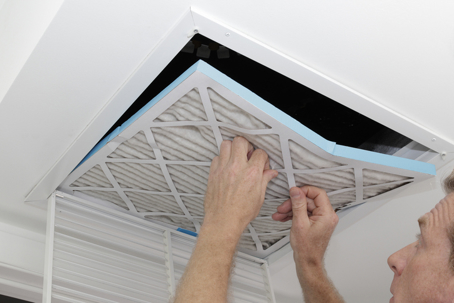
Your home's ductwork is like its circulatory system. It carries heated or cooled air from your HVAC system (heating, ventilation, and air conditioning) to every room in the house. When something goes wrong inside those ducts, the whole home feels it. Knowing the warning signs early can save you money, protect your comfort, and help your heating and cooling equipment last longer.
If you're already noticing problems with your home's airflow or energy bills, don't wait. Contact Sturm today through our online contact form or call us at (509) 215-9429 to schedule a duct inspection.
Some Rooms Feel Too Hot or Too Cold
When your heating or cooling system is working properly, every room should feel comfortable at roughly the same time. If certain rooms are always too warm while others stay cold, that's a red flag. Uneven temperatures are one of the most common signs that air isn't moving through your ducts the way it should.
Gaps, holes, or disconnected sections in your ductwork can cause conditioned air (air that has been heated or cooled) to escape before it ever reaches its destination. This means your system works harder while delivering less comfort to the rooms that need it most.
Your Energy Bills Keep Climbing
A sudden or steady rise in your energy bills without a clear reason is worth paying attention to. When ducts are damaged or leaking, your HVAC system has to run longer to reach the temperature set on your thermostat. All of that extra run time adds up quickly on your monthly utility bill.
The U.S. Department of Energy estimates that homes with leaky ducts can lose up to 30% of their conditioned air before it reaches living spaces. That's a significant amount of energy going to waste. Addressing duct problems can help bring those costs back down.
You Notice Weak Airflow from Vents
Stand next to a vent in your home while your heating or cooling system is running. The air coming out should feel steady and strong. If the airflow feels weak or barely noticeable, there may be a blockage, a disconnected duct section, or a significant leak somewhere in the system.
Weak airflow makes your HVAC equipment strain to do its job. Over time, that extra strain can shorten the life of your system and lead to more costly repairs down the road.
Your Home Feels Dusty No Matter How Often You Clean
Here are some common dust and air quality problems that may point to duct issues:
- Dust settling on furniture, shelves, and surfaces shortly after cleaning
- Visible dust or debris blowing out of vents when the system turns on
- Worsening allergy or asthma symptoms indoors
- A stale or musty smell coming from the vents
- Increased pet dander or pollen circulating through the home
When ductwork develops cracks or gaps, it can pull in dust, insulation particles, and other debris from unconditioned spaces like attics or crawl spaces. That material then gets blown into your living areas every time the system runs.
Keeping your home clean should feel manageable. If dust keeps coming back faster than expected, your ducts may be drawing in contaminants from areas that were never meant to be part of your air supply. A duct inspection can help identify where the problem is coming from.
You Smell Something Odd When the System Runs
A musty, dusty, or unusual odor that comes from your vents is not something to ignore. Odors can be caused by mold or mildew growing inside damp or leaking ducts, pest activity (rodents and insects sometimes nest in ductwork), or debris and buildup that has collected over time.
Mold inside ductwork is a health concern because it spreads spores throughout your home every time air moves through the system. If you notice a persistent smell that gets worse when your HVAC kicks on, it's worth having a professional take a closer look.
Your Ductwork Makes Strange Noises
Some amount of sound from your HVAC system is normal. A soft hum or a gentle rush of air is to be expected. But if you're hearing rattling, banging, popping, or whistling sounds coming from the walls, ceilings, or floor registers (the metal covers over floor vents), that can indicate a structural problem inside the ducts.
Loose duct sections, unsupported spans of ductwork, or damaged joints can all cause unusual noises. These sounds often get worse over time if the underlying issue isn't addressed.
Your Home Has Older Ductwork
Most ductwork is designed to last around 10 to 15 years with proper maintenance. If your home is older and the ductwork has never been inspected or replaced, there's a good chance it has developed wear over the years. Older duct materials, like certain types of flexible duct, can degrade, collapse, or become disconnected at joints.
Age alone doesn't mean your ducts need replacement, but it does mean they deserve a closer look. An inspection can reveal whether repairs or a full replacement would serve your home better.
You've Recently Had Pest Activity in Your Home
Rodents and insects can cause serious damage to ductwork. They chew through materials, leave waste behind, and create gaps that allow conditioned air to escape and unconditioned air to enter.
Here are signs that pest activity may have affected your ducts:
- Scratching or scurrying sounds inside walls or ceilings
- Visible droppings near vents or in utility areas
- A foul smell that worsens when the HVAC system runs
- Evidence of nesting material near duct access points
- Unexplained spikes in your energy bills following a pest problem
Even after a pest problem has been treated, the damage left behind in your ducts can continue to affect your home's air quality and energy efficiency. A professional duct inspection after pest activity is a smart step.
If any of the signs above sound familiar, scheduling a professional duct inspection sooner rather than later can prevent small problems from turning into larger, costlier ones.
What Happens During a Duct Repair Service
Understanding what to expect can make the process feel less overwhelming. A trained technician will start by inspecting your duct system, often using tools to check for pressure loss, leaks, or blockages. Once problem areas are identified, the technician will explain what was found and walk you through the available repair options.
Common duct repair work includes sealing leaks with mastic sealant (a paste-like material made specifically for sealing duct joints), replacing damaged sections, securing loose connections, and in some cases, rebalancing the system to improve airflow to specific rooms. The goal is to restore your ductwork to a condition where air moves efficiently and cleanly throughout your home.
Your Spokane Duct Repair Contractor Is Here to Help
If any of the warning signs in this article sound familiar, Sturm is ready to help. Our team serves homeowners and businesses throughout Spokane, WA, and we take every job seriously, from the first conversation to the final inspection. Whether you need a simple leak repair or a more thorough duct repair project, we'll give you an honest assessment and clear options.
Reach out to us today through our online contact form or give us a call at (509) 215-9429. Your comfort and your home's air quality are worth protecting.